Expertise
Cyber threat intelligence & risk
Turning public vulnerability data and recognised frameworks into decisions leaders can act on.
The problem
Where the risk really sits
Security teams are flooded with vulnerability data and compliance obligations, but struggle to turn either into a clear picture of where their real exposure sits.
What DeTrust does
DeTrust builds threat intelligence and risk assessments from public CVE/CWE data and aligns them to recognised frameworks — ISO 27001/27005, NIST CSF, NCSC guidance and DORA — evidence first.
The differentiator
Advice built by someone who engineered the methods
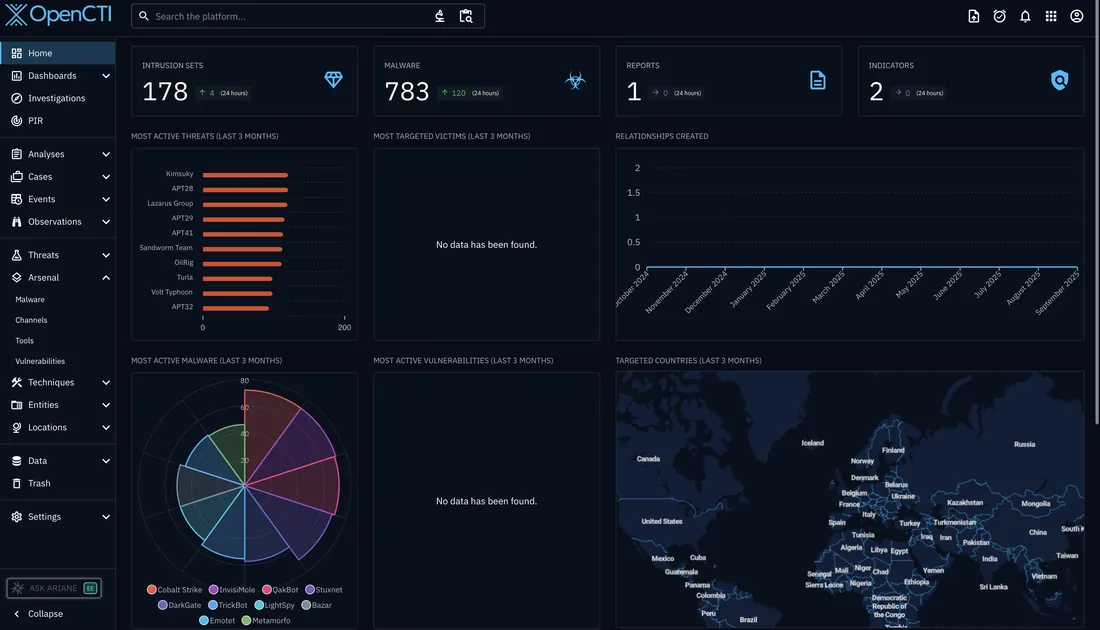
- Led the Turing Cyber Threat Observatory (Azure, MISP, Microsoft Sentinel, Splunk), aggregating OSINT and mapping CVE/CWE patterns at scale.
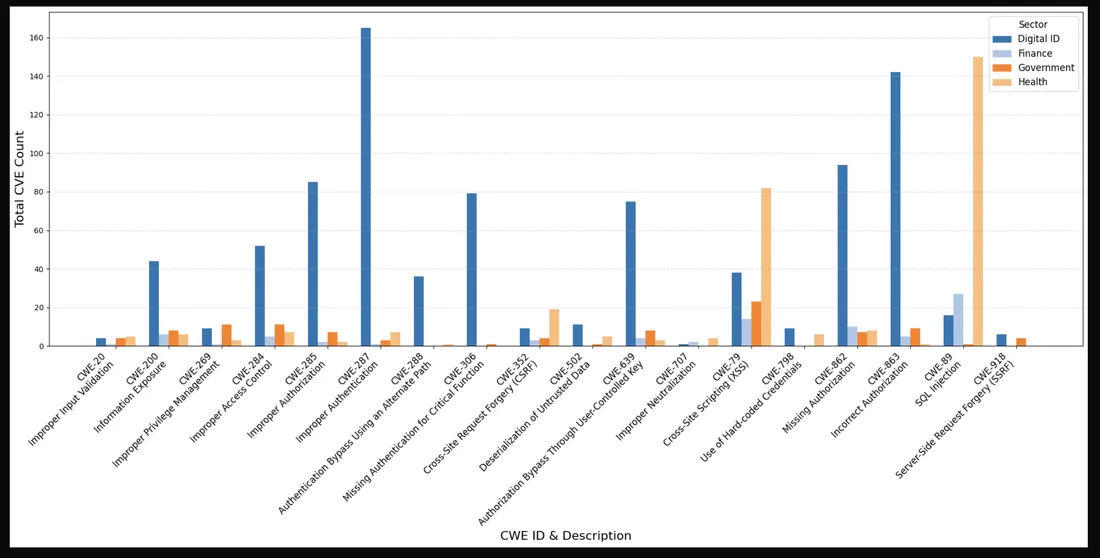
- Authored the cross-sector vulnerability-patterns report across identity, government, healthcare and finance — SQL injection (CWE-89) dominates healthcare with 150 CVEs, over five times finance.
- Risk and framework alignment applied across 11 client projects (ISO 27005, ISO 27002, SABSA, DORA).
Research behind this domain
Published, peer-reviewed evidence
The risk-concentration analysis and cross-sector vulnerability research behind DeTrust's threat intelligence.
- Analysis of Cyber Risk and Concentration (ACR²) in Vehicular Edge Clouds · IET, 2018A reusable lens for showing where cyber risk concentrates across a system or sector.
- Customers' Perception of Cybersecurity Risks in E-Commerce Websites · IET CADE, 2023Mapping STRIDE threats to how non-experts perceive risk, trust and CIA.
- Vulnerability Patterns across Identity, Government, Healthcare & Finance · The Alan Turing Institute, 2025Cross-sector CVE/CWE analysis — healthcare is dominated by SQL injection (150 CVEs, over five times finance).
From the research programme
Intelligence in practice
Intelligence-driven. Evidence first.
Tell the founder what you're working on. Every enquiry is read and answered personally.